There’s something universally joyful about cake — whether it’s a rich chocolate slice with your afternoon tea or a delicate sponge at a birthday party. But where did our favourite cake flavours come from? And how did they become such beloved staples across cafés, coffee shops, and tea rooms?
Let’s take a sweet journey through time and explore the stories behind some of the most iconic cake flavours.
Origin: 18th century Europe
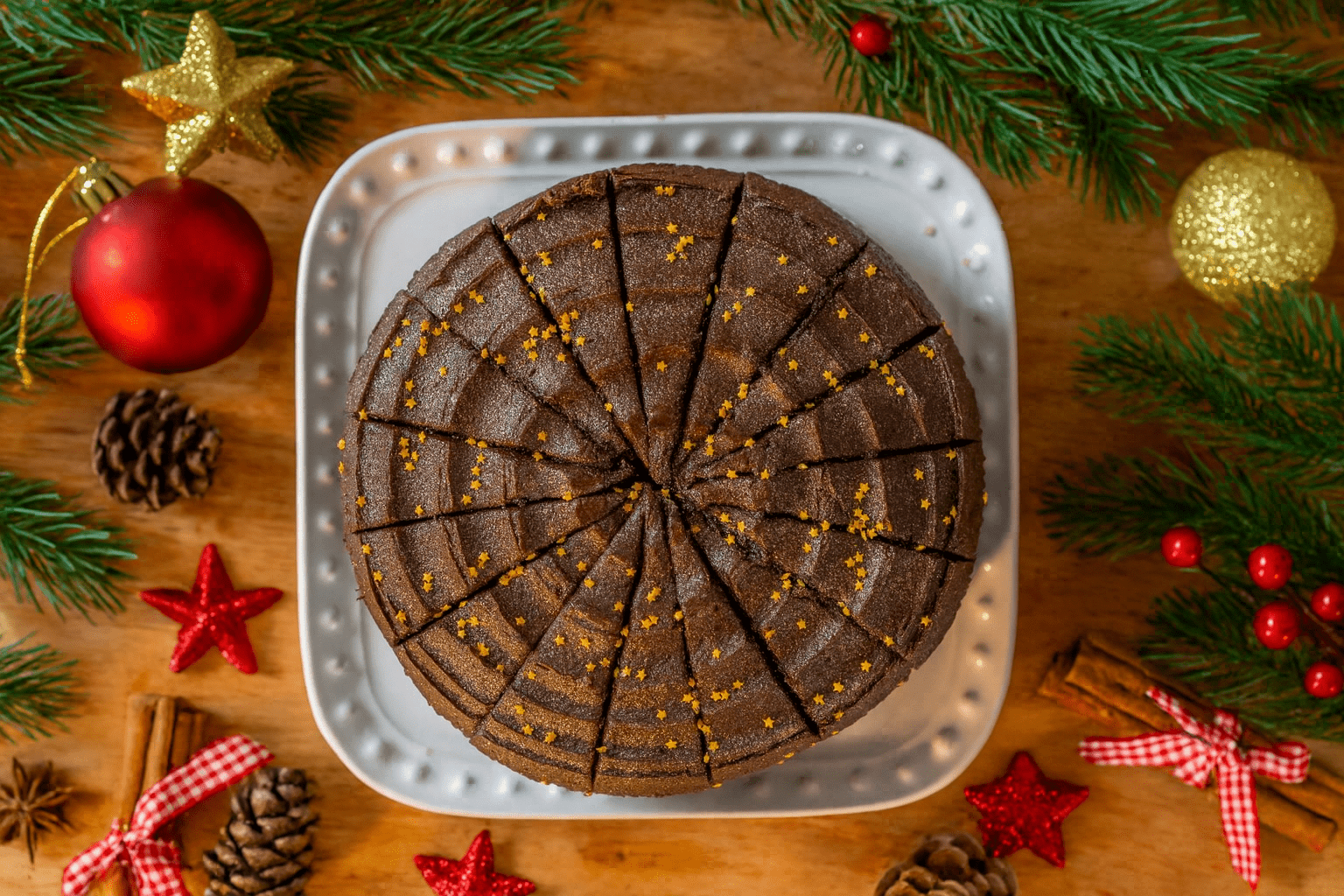
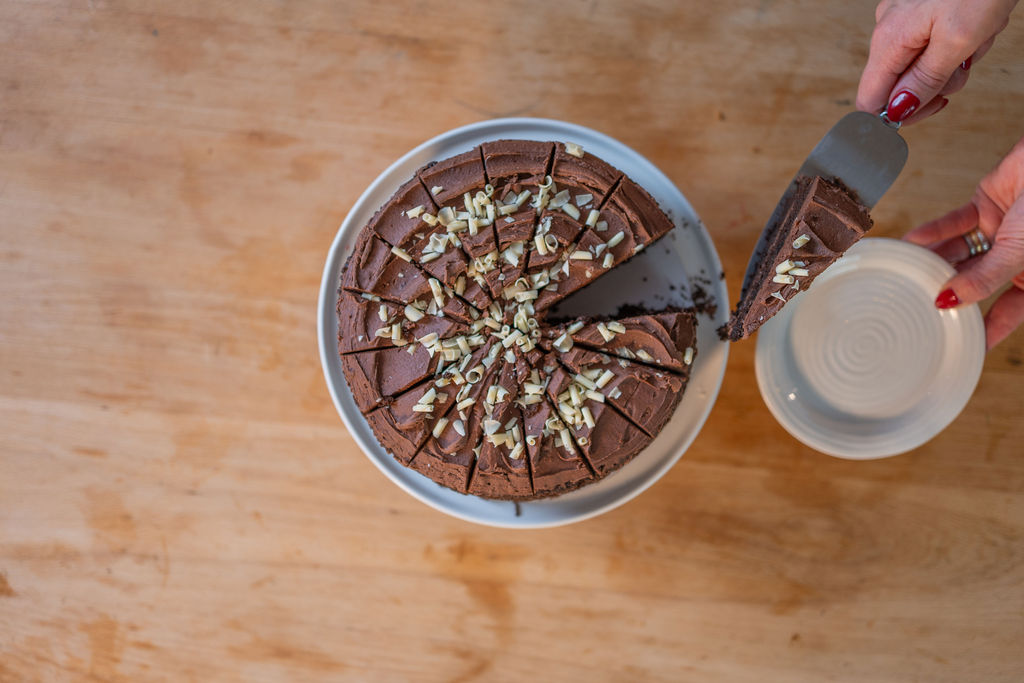
Chocolate cake might feel like a modern indulgence, but it dates back to the 1700s. When cocoa powder became widely available in Europe, bakers began incorporating it into traditional cake batters.
The first “chocolate cake” recipes were dense and less sweet than today’s versions. It wasn’t until the 20th century—thanks to the invention of baking powder and improved cocoa processing—that the light, fluffy chocolate sponge we know and love became standard.
Fun fact: The first chocolate cake mix was introduced in the U.S. in the 1920s by a company looking to use up surplus molasses.
Origin: 19th century Britain
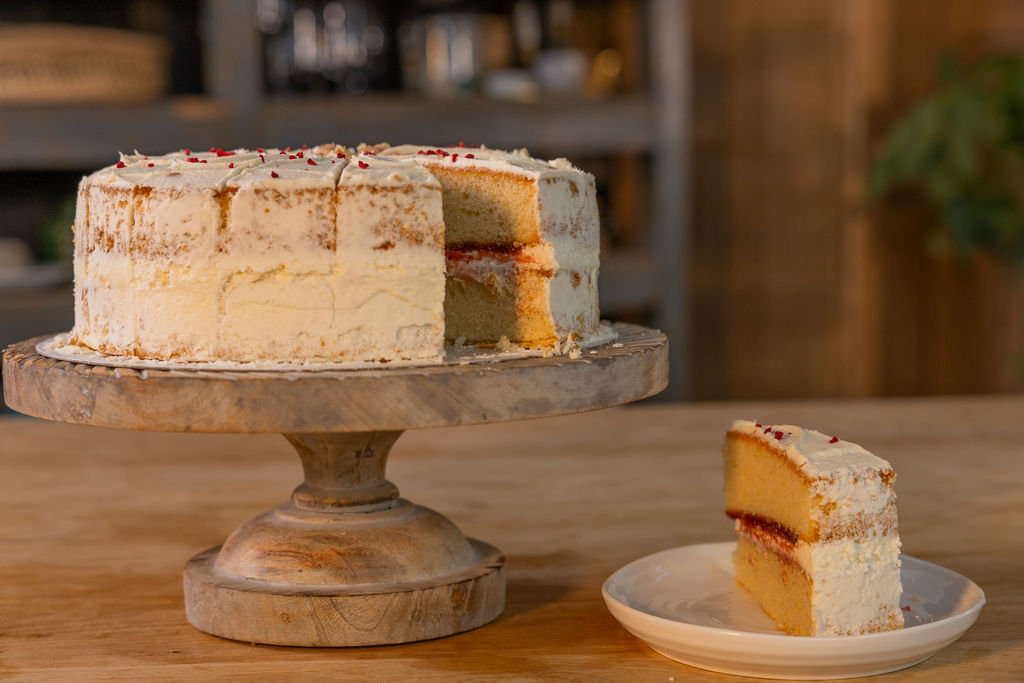
A true British classic, the Victoria sponge was named after Queen Victoria, who was fond of enjoying a slice with her afternoon tea. The original sponge cake was made using equal parts flour, sugar, eggs, and butter – known as the “pound cake” method.
The sandwiching of jam and cream between two layers turned it into a regal teatime treat, and it’s still a centrepiece in many British cafés and tea rooms today.
Origin: Early 20th century Britain
Zesty, moist, and delightfully simple, lemon drizzle cake is a fairly recent creation compared to other flavours. It rose to popularity in the UK in the early 20th century, admired for its balance of sweetness and citrus tang.
The secret? Pouring lemon syrup over the sponge while it’s still warm, creating that signature sticky topping and ultra-moist texture.

Origin: Medieval Europe (with a resurgence in the 1960s)
Carrot cake has roots in medieval times, when sweeteners were scarce and carrots were used to add moisture and sweetness to puddings and bakes.
It fell out of fashion for a while but saw a major comeback in the 1960s and ‘70s, especially in the UK and U.S., often topped with tangy cream cheese frosting. It’s now a staple in artisan bakeries and a go-to option for those wanting something just a bit different.
Origin: Post-war Britain
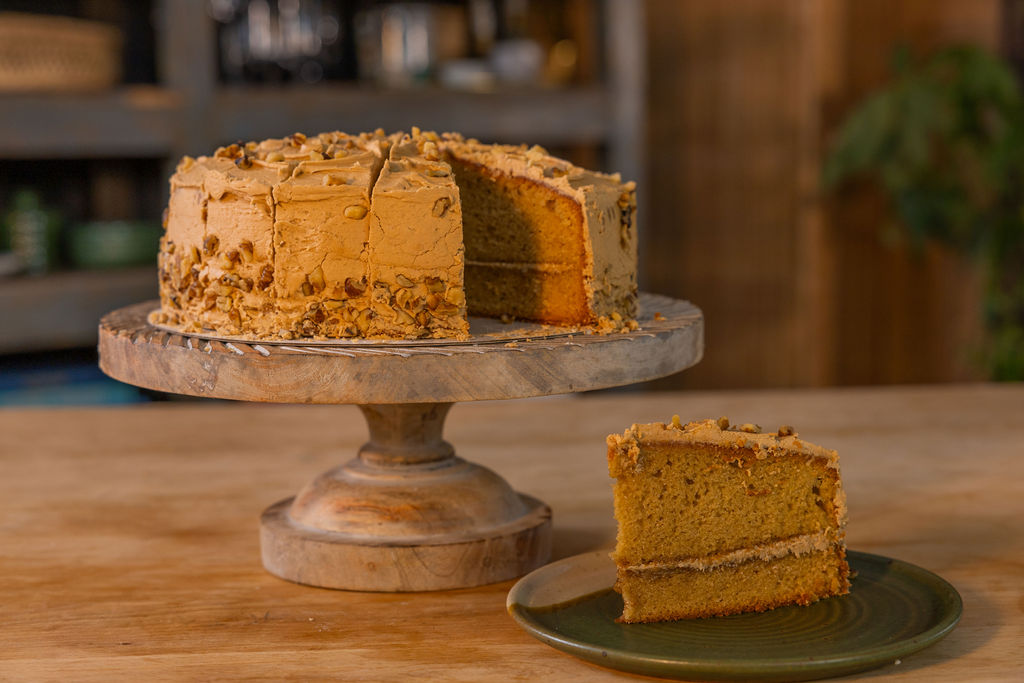
Coffee and walnut cake gained popularity in post-war Britain, offering a grown-up twist on the classic sponge. Combining strong coffee and toasted walnuts in a light, buttery sponge, it became a staple of the classic British bake-off selection.
It’s a nostalgic flavour for many, still found in traditional tearooms and modern cafés alike.
Origin: Southern U.S., late 19th century
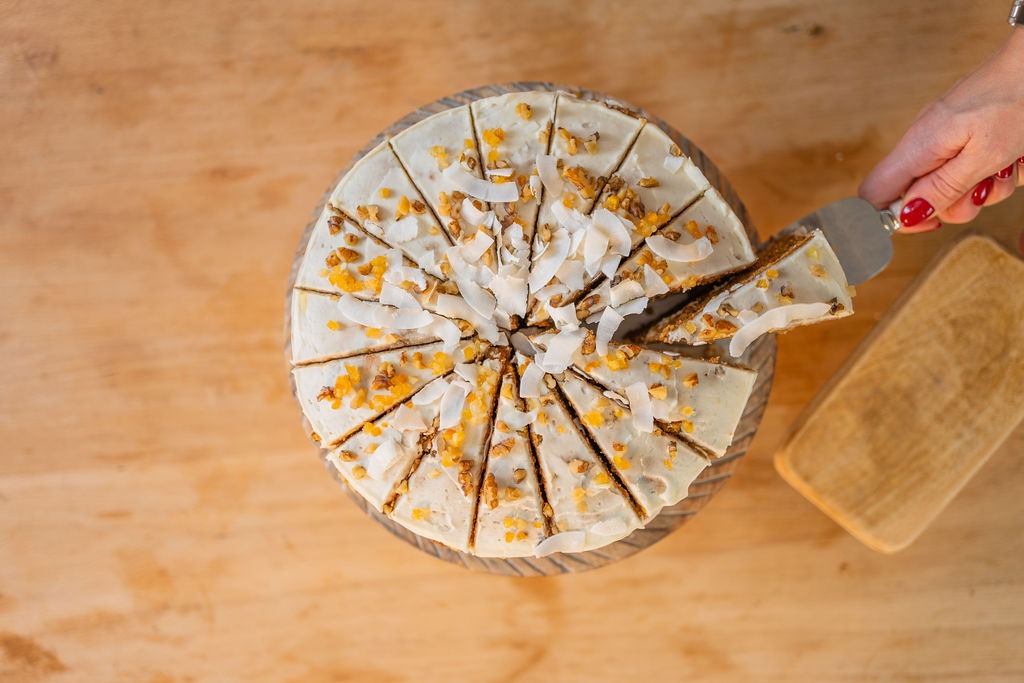
Coconut cake is a layered vanilla or sponge cake frosted with cream and covered in shredded coconut. It originated in the Southern United States in the late 1800s when trade brought exotic ingredients like coconut into bakeries.
Its light, tropical flavour made it a popular choice for spring and Easter celebrations — and it’s still beloved today, especially when paired with lime or pineapple.
Origin: Great Depression, U.S.
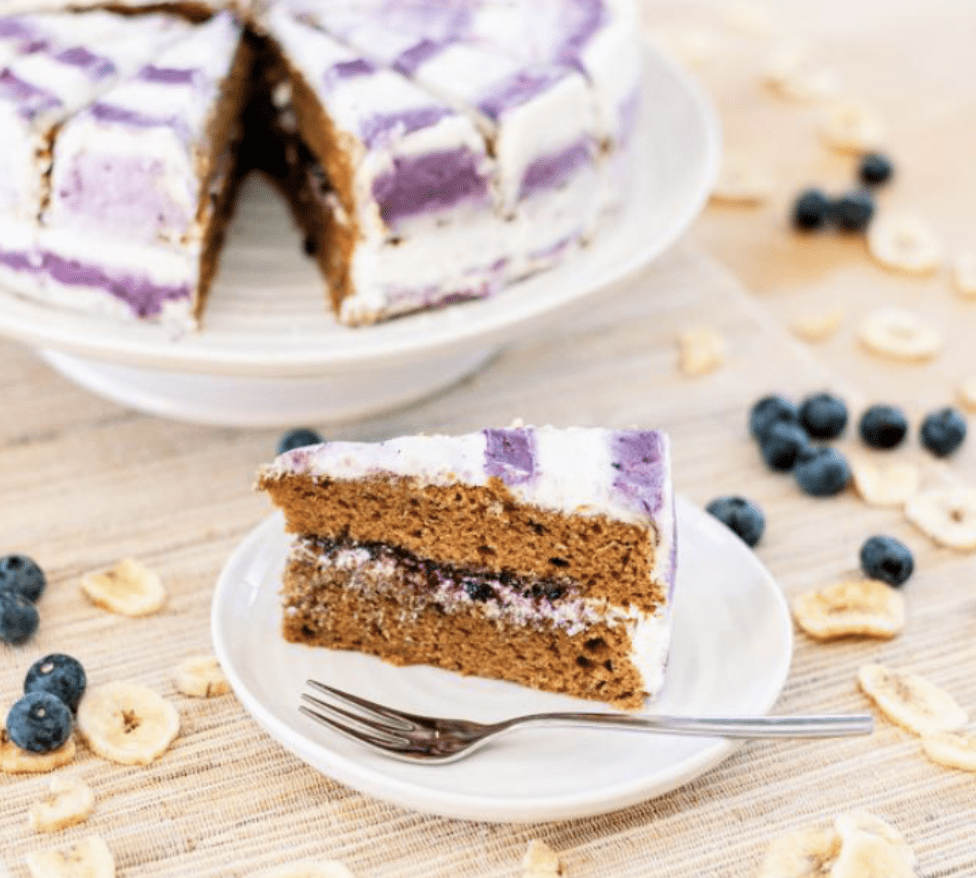
Banana cake’s rise in popularity coincided with the Great Depression, when resourceful bakers found ways to use overripe bananas to avoid waste. Unlike banana bread, banana cake is softer, lighter, and often topped with icing or frosting.
It’s had a resurgence in recent years thanks to the trend of reducing food waste and using simple, wholesome ingredients.


From royal teatime staples to clever inventions born out of necessity, the flavours we know and love all have a story to tell. Whether you’re stocking a cake counter or choosing what to serve with a pot of tea, understanding the origins behind these bakes adds depth (and charm!) to every slice.
At Wholesale Cakes, we honour these timeless recipes while keeping our range fresh, delicious, and ready to delight your customers.


BIG SAVINGS!
10% OFF
Sign up to our newsletter to receive a discount code for 10% off your first order!
Don't miss out—start saving now!